On $80,000 a year at 6.5% over 30 years, with 10% down and average taxes and insurance: roughly $295,000 to $340,000 of house.
The range is that wide because two different limits apply, and because property tax varies by a factor of six across the country on an identical house.
The two ratios
$80,000 a year is $6,667 a month before tax. Lenders work from gross income.
| Rule | Limit | Monthly ceiling |
|---|---|---|
| 28% front-end (housing only) | 28% of gross | $1,867 |
| 36% back-end (all debt) | 36% of gross | $2,400 |
| 43% back-end (typical maximum) | 43% of gross | $2,867 |
The front-end ratio covers the whole housing payment: principal, interest, taxes, insurance, HOA. The back-end adds every other monthly debt — car loans, student loans, minimum credit card payments.
A $500 car payment does not reduce your housing ceiling under the 28% rule at all, and reduces it by $500 under the back-end rule. Which one binds depends on what else you owe.
Working backwards from $1,867
That ceiling has to cover everything, not just the loan:
| Low-tax state | High-tax state | |
|---|---|---|
| Housing ceiling (28%) | $1,867 | $1,867 |
| Property tax | −$180 | −$620 |
| Insurance | −$110 | −$140 |
| PMI (10% down) | −$140 | −$120 |
| Left for P&I | $1,437 | $987 |
| Loan supported at 6.5% | $227,000 | $156,000 |
| Home price at 10% down | ~$252,000 | ~$173,000 |
Same income, same rate, same rule — $79,000 of difference, entirely from the tax line.
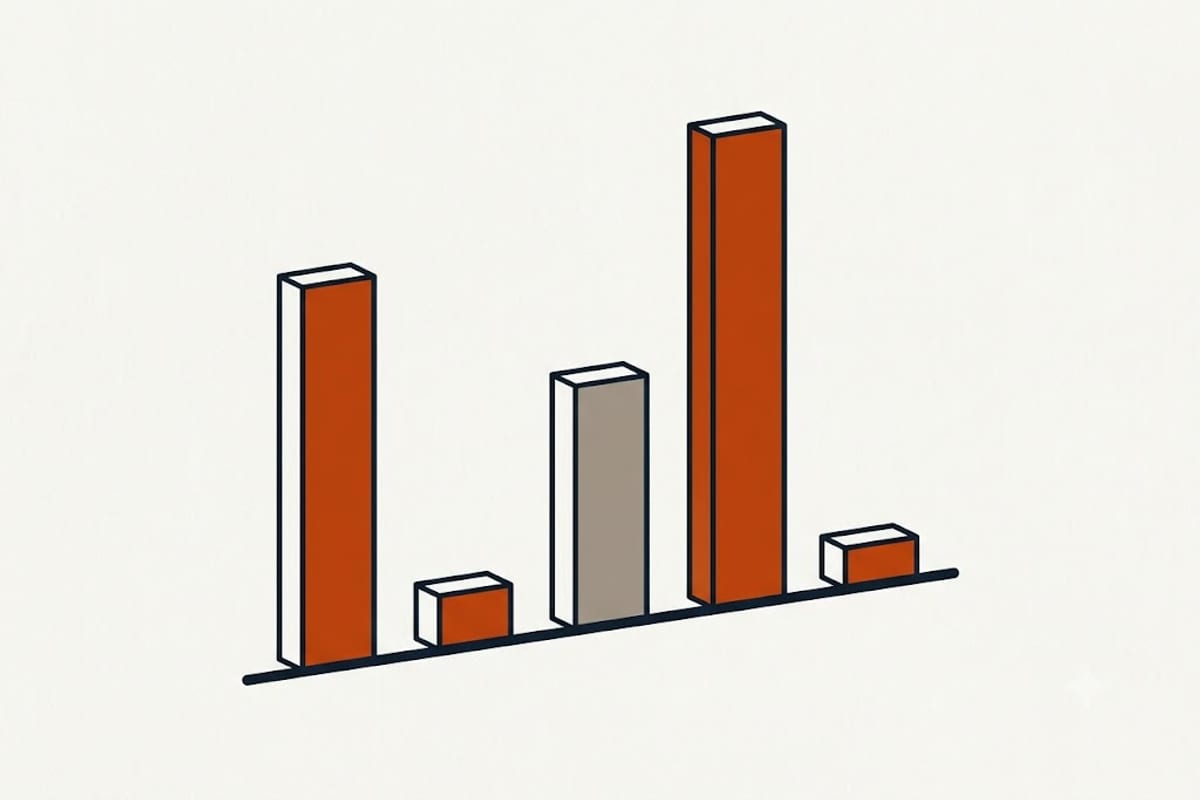
Effective property tax rates run from about 0.3% of value in the lowest states to over 2% in the highest. On a $300,000 home that is $900 a year against $6,300, or $450 a month of difference in what you can borrow.
What a lender will actually approve
More than the 28% rule. Conventional underwriting commonly allows a back-end DTI of 43%, and some programmes go to 50% with compensating factors.
At 43% with no other debt, $80,000 supports a housing payment of $2,867, which after taxes and insurance leaves roughly $2,300 for P&I and a loan near $364,000 — a house around $400,000.
That is $150,000 more than the 28% rule gives.
Both numbers are correct. One is what a lender will approve based on the probability you keep paying; the other is what leaves room for a car repair, a boiler, and a month of reduced income. The approval letter is not advice.
The parts nobody budgets
Closing costs: 2–5% of the price, on top of the down payment. On a $300,000 house that is $6,000–$15,000 due at signing.
Maintenance: roughly 1% of value per year. $250 a month on a $300,000 house — not every month, but averaged over the years the roof and the HVAC are replaced.
PMI under 20% down, typically 0.5–1.5% of the loan annually, until you reach 20% equity.
Rate movement between pre-approval and closing. A pre-approval at 6.5% that closes at 7% costs $133 a month on a $400,000 loan and lowers what that same ceiling supports.
The most useful version of the question
Not "what will I be approved for" but "what payment leaves the rest of my life intact". Work forward from a payment you would be content to make for a decade, then run it backwards through the payment formula to a loan amount.
If there is a car loan in the picture, it moves the ceiling directly — see what those payments look like — and the choice of term decides how much of the payment is interest for the first two decades.